Indecent Exposure
November 10th, 2026
Ariel Troupis
Graphics by Elle Fumei
Once reserved for the privacy of our bedrooms, lace-trimmed slips, exposed bras, and tightly corseted silhouettes have found an entirely new purpose. What traditionally served as an essential underlying layer has become the clothing all by itself. Today, a sheer blouse revealing a delicate balconette hardly warrants a second glance, and the slip dress has long since shed its associations with intimate sleepwear. Garments whose appearance in public would have been virtually inconceivable in previous decades have become unapologetic statements of style in the modern day. This shift is no accident. Time and time again, we see fashion reimagining the dynamic between the body and the clothing that conceals it, dismantling conventions of modesty as everyday dress becomes all the more daring.
The female body is no stranger to being a primary subject of public scrutiny. Persecution, even. Fashion has consistently challenged the boundaries of what society deems appropriate, particularly when it comes to sexuality. From the “naked dress” to the daringly high-cut slit, designers repeatedly test the limits of acceptable exposure, provoking conversations about modesty and desire. Yet fashion’s fascination with intimacy extends beyond the garments themselves. The commercial potential of provocation plays its own role in the sensual imagery used to manufacture desire. Increasing acceptance of exposed skin begs the question of whether fashion has genuinely liberated the body, or if the industry’s embrace of sexuality has fundamentally redefined what society considers appropriate.
This unabashedly raw relationship between sexuality and fashion has proven to be equally as profitable as it is controversial. For fashion houses, the indisputable allure of scandal presents the perfect opportunity to command attention in a space where visibility means everything. Brands understand that they are selling considerably more than mere material: confidence, desirability, status, and, of course, sex. Advertising campaigns encourage consumers to indulge in the fantasies of a seductive lifestyle, blurring distinctions between the product and the aspirations sewn into it. Whether met with admiration or outright condemnation, sexually charged imagery has the power to cement a brand’s place in the cultural conversation. Controversy, when handled strategically, becomes its own currency, transforming the public’s fascinations into commercial assets.
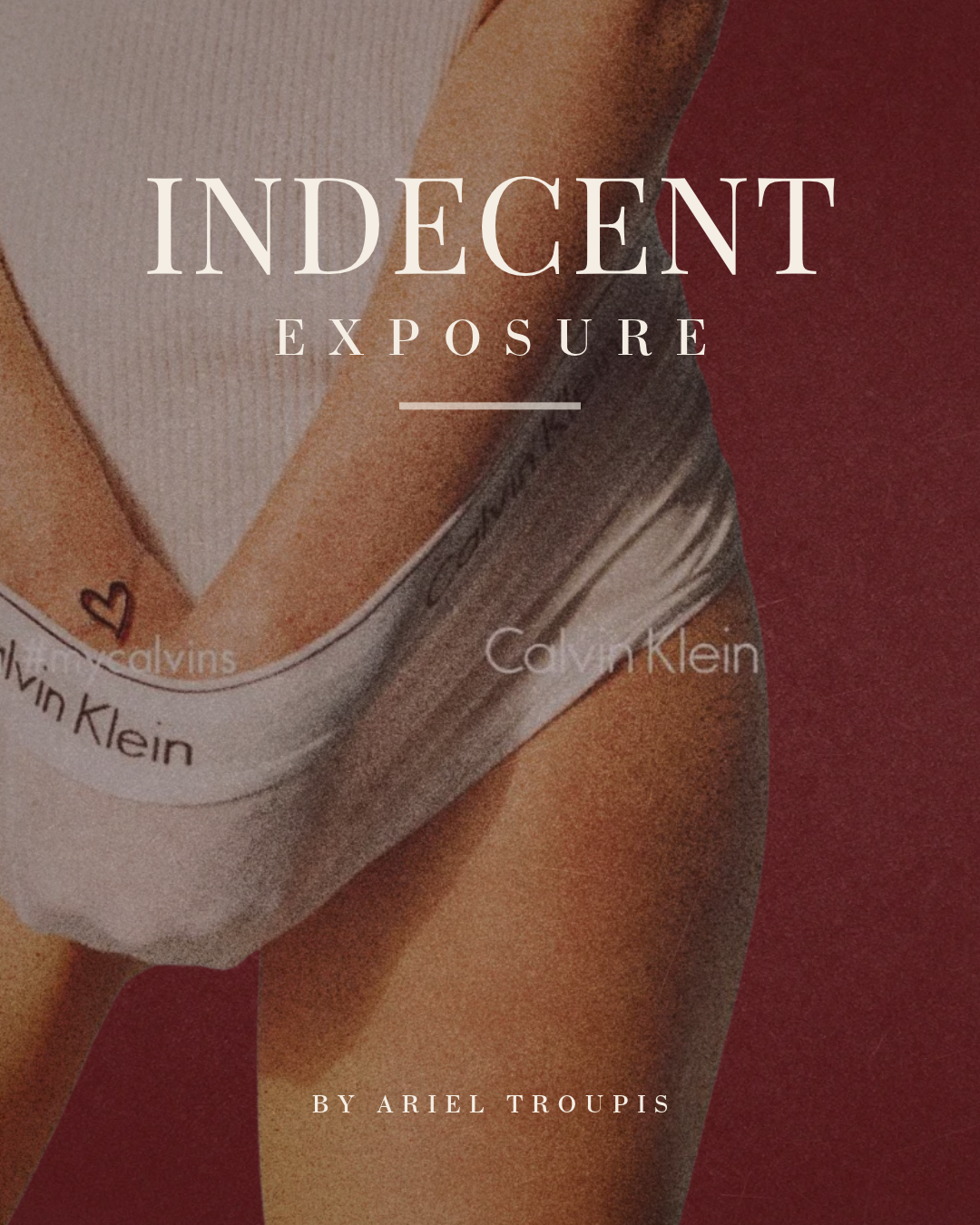
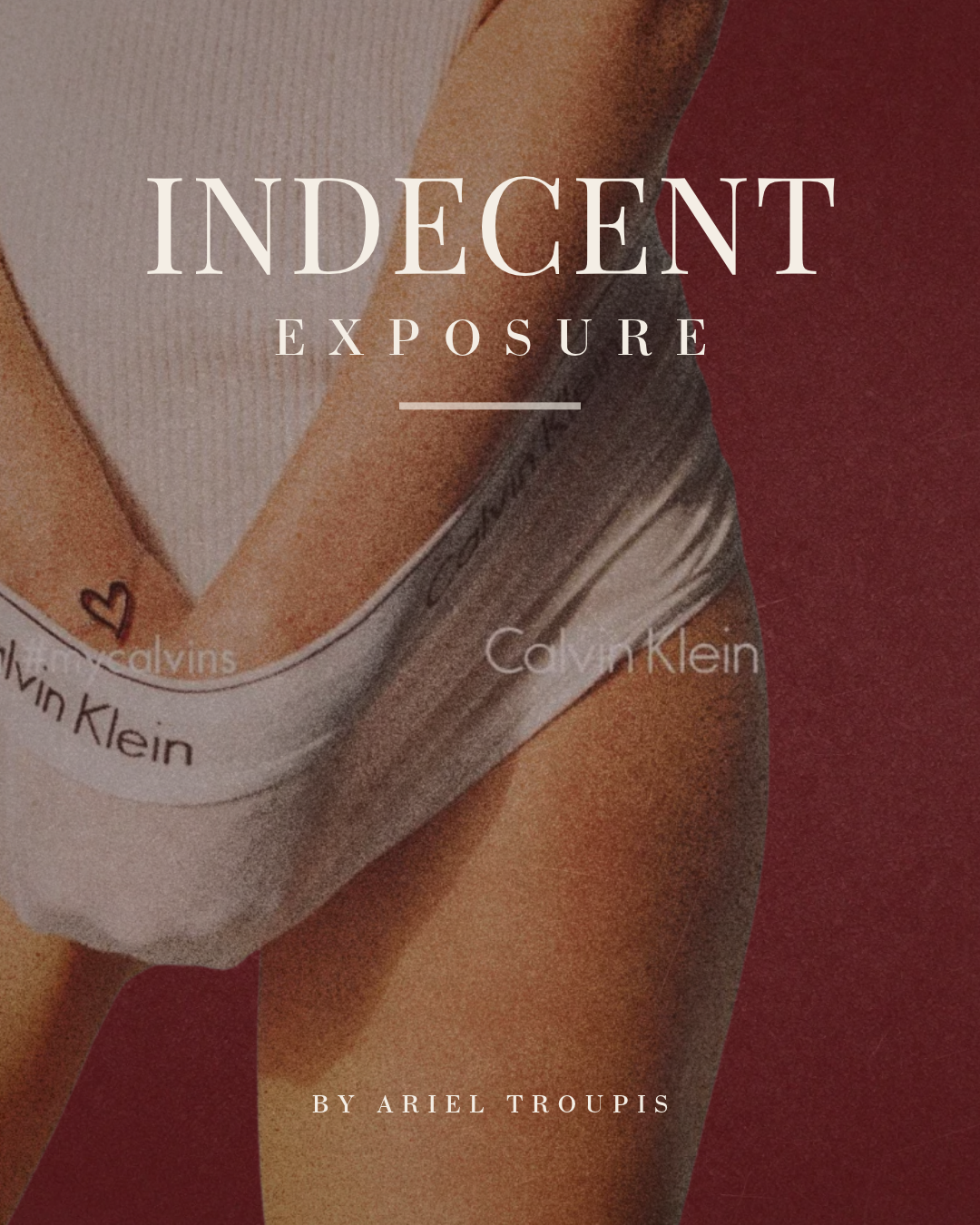
Few names in fashion have become quite as synonymous with sex appeal as Calvin Klein, a brand whose mastery of sensuality has been an anchor in its advertising for decades. Despite the controversy surrounding its infamous 1980 denim campaign, featuring a fifteen-year-old Brooke Shields, Calvin Klein never retreated from provocation. Following the widespread backlash, the brand continued to cultivate a visual identity centered on skin. Its 1992 underwear campaign featuring Kate Moss and Mark Wahlberg, posing in minimal clothing against an equally minimalist backdrop, drew complete and total attention toward the bodies modeling the garments. Underwear, and the lack thereof, became the centerpiece of the advertisement. No longer displayed as simply a functional necessity, the product emerged as an unmistakable symbol of eroticism, turning into items intended to be seen in, as opposed to something to be hidden. Unlike the typical reliance on elaborate styling, Calvin Klein positioned the human body as the advertisement’s most compelling feature.
The brilliance of Calvin Klein’s approach does not rest exclusively in its capacity to provoke, but in its uncanny ability to sustain provocation as an integral component of its commercial identity. The brand effectively made sex appeal a signature characteristic of its visual language, establishing an aesthetic that consumers could identify before even considering the clothing itself. Controversies regarding its advertisements became inseparable from its public image, reiterating the notion that while scandal was a risk to the brand, it was also the very foundation of its business strategy.
However, this deliberate pursuit of overt sexuality introduces a separate contradiction. When sexual expression becomes an instrument of profitability, the line between artistic freedom and commercial exploitation becomes increasingly blurred. Campaigns initially intended to celebrate bodily autonomy can simultaneously exhibit the body as something to be consumed. In an industry that champions liberation through exposure, the same imagery that empowers its audience can just as easily commodify it.
Or is the greatest challenge to fashion’s reliance on sexuality its diminishing element of surprise? The calculated raunchiness that once distinguished brands like Calvin Klein from the rest has gradually become an anticipated characteristic of not only their identities, but within the sphere of fashion as a whole. Now consumers scarcely expect restraint from houses that have spent years cultivating reputations for the opposite. Skin’s shock value dwindles as the miniskirt shrinks to the size of a belt and the slip dress makes its way to cocktail hour. Lace panties peaking above low-rise jeans no longer carry the same implications of impropriety they used to emulate with ease. And still, the repetition that strengthens brand recognition simultaneously becomes its greatest vulnerability, weakening the very shock value responsible for creating it.
Fashion has, and will continue to, showcase its remarkable success in converting cultural discomfort into aesthetic allure, pushing conventions of modesty into previously uncharted territory. Sex undoubtedly remains an influential commercial tool, but its appeal may no longer rely solely on the scandal it generates. By continuously presenting sensuality as something desirable, fashion has reshaped the limits of acceptable exposure, altering controversy into aspiration, and aspiration into consumer demand. Perhaps the testament to the industry’s ability to sell sex is not because audiences continue to crave it, but that fashion has made the unthinkable something worth wearing.
“Controversy, when handled strategically, becomes its own currency, transforming the public’s fascinations into commercial assets.”
More from this edition
Featured