An American Uniform
April 27th, 2026
Charley Levine
Graphics by Kathryn Tappan
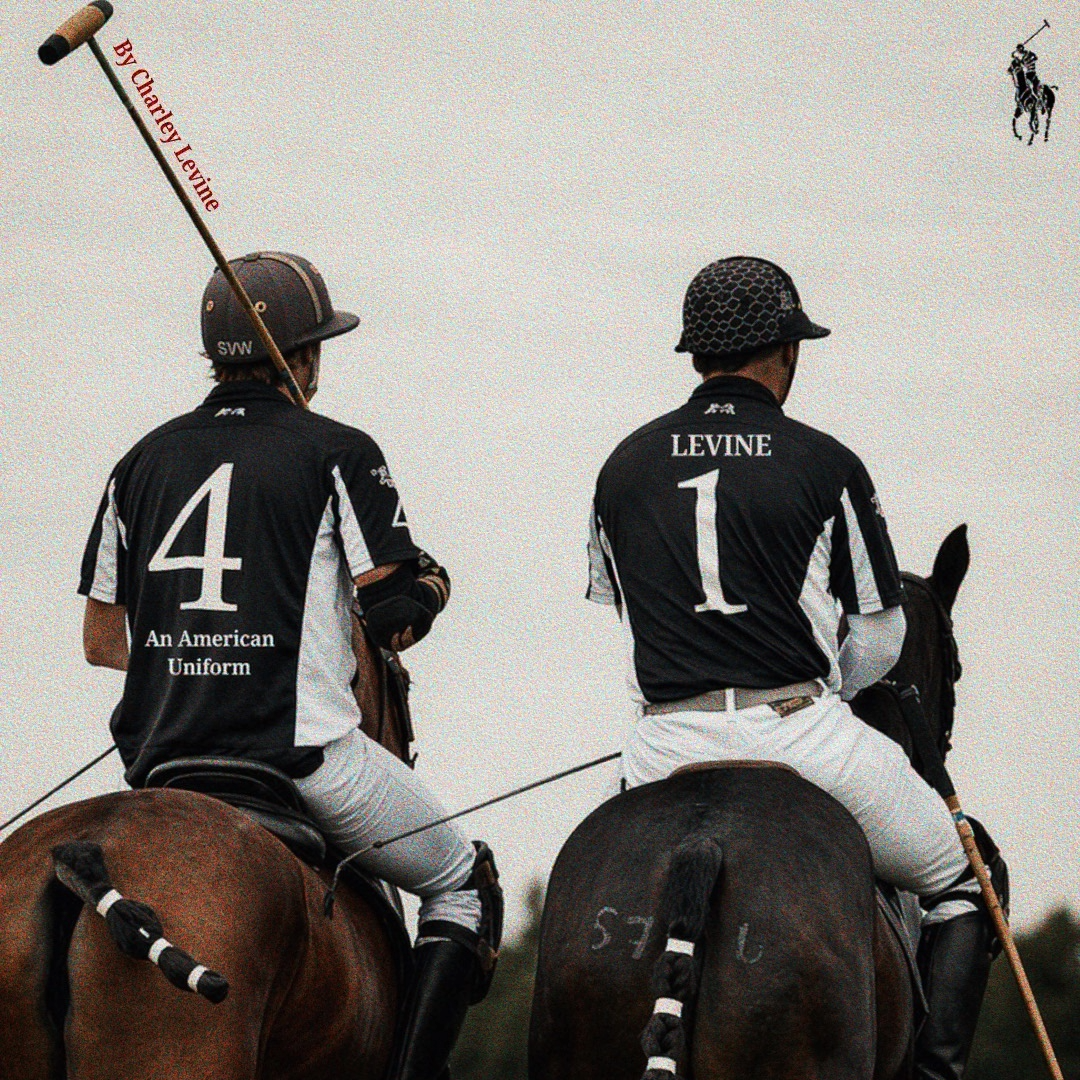
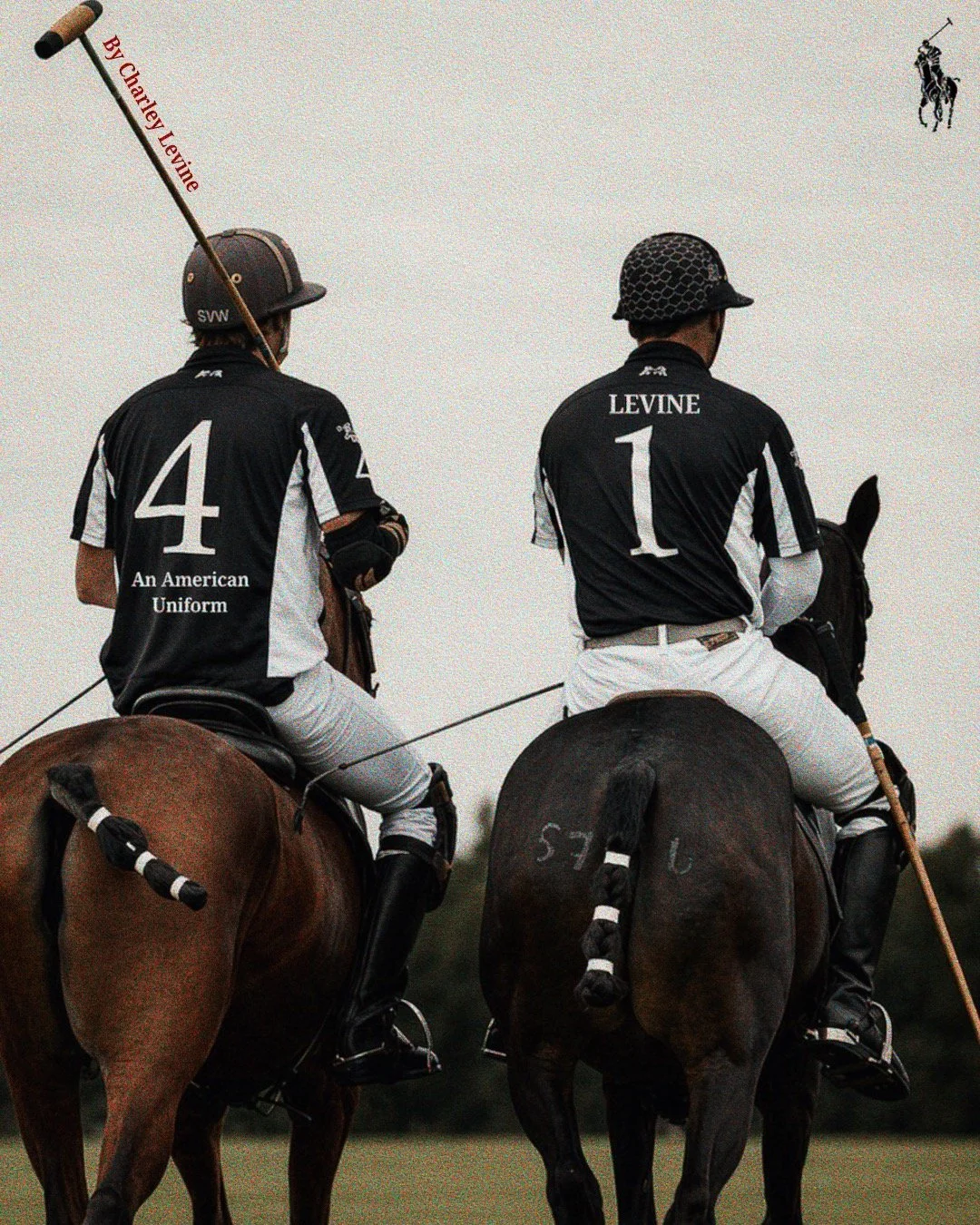
The polo bear embroidered onto shirts and cable-knit sweaters is one of the most recognizable symbols in fashion. Despite its simplicity, the Ralph Lauren logo has endured decades of fast-fashion churn and microtrends cycling in and out of relevance. In doing so, it has maintained cultural relevance without succumbing to the industry’s pressure for speed and disposability. While it might feel cliché to say that Ralph Lauren has become a symbol of the American identity, the brand’s nearly six decades of influence and the cultural moments it has shaped make the claim difficult to dispute.
When we think of Ralph Lauren, a particular vision of American life comes to mind– an aesthetic that is polished but relaxed, aspirational, yet effortlessly luxurious. It appears in Rachel Green's chic, preppy wardrobe in Friends, in Serena van der Woodsen’s Manhattan lifestyle in Gossip Girl, and in the opulent costumes in The Great Gatsby. Existing even beyond the screen, from Anne Hathaway’s dramatic Met Gala gown to Michelle Obama’s diplomatic wardrobe and Hillary Clinton’s tailored campaign suits, the brand has participated in some of the most visible cultural moments in American history.
While the company has become a global fashion empire over time, it has humble beginnings. In 1967, Ralph Lauren started the brand out of a drawer in the Empire State Building in New York City, selling men’s ties through the manufacturer Beau Brummell. Quickly gaining traction, the brand launched a line of menswear under the “Polo” name, and within just two years, opened its first in-store shop in the Manhattan department store in Bloomingdale’s. This inspired its first women’s collection, which catalyzed its expansion and led to its first store in Beverly Hills.
Today, the Ralph Lauren Corporation oversees a portfolio with a total of 17 fashion brands and 4 lifestyle brands. The brand’s offerings extend into menswear, womenswear, watches and jewelry, and childrenswear. With about 490 stores operating across about 30 countries, Ralph Lauren has grown into a globally influential brand name
Ralph Lauren’s continued success is closely tied to Gen Z’s attraction to the brand. Ralph Lauren now ranks second only to Gucci among brands most desirable to consumers under the age of 35, a significant rise from fifth place just a few years earlier. The brand has benefited from Gen Z’s fascination with nostalgia, quiet luxury, and classic preppy aesthetics. On TikTok, for example, young users recently embraced the concept of a “Ralph Lauren Christmas,” celebrating the brand’s cozy holiday imagery of tartan fabrics, velvet textures, dark woods, candles, and carefully wrapped gifts. This trend sparked a surge in demand for vintage Ralph Lauren home décor, with eBay searches for those items rising by roughly 250% compared with the previous year. Young shoppers have also increasingly sought out Ralph Lauren clothing in stores and online as part of a broader revival of classic American style.
Ralph Lauren’s emphasis on authenticity plays a crucial role in preserving its timeless appeal. Even as the brand experiments with collaborations and new marketing strategies, company leadership emphasizes staying true to the core founding vision. Lauren himself, now in his eighties, remains actively involved in daily operations as executive chairman and chief creative officer, ensuring continuity in the brand’s identity. This commitment to authenticity extends to partnerships with communities and cultural groups that have historically influenced the designer’s work. This is evident in collections inspired by historically Black colleges like Morehouse and Spelman, projects connected to the Oak Bluffs community on Martha’s Vineyard, and collaborations with Native American artisans like textile weaver Naiomi Glasses. By combining these culturally meaningful partnerships with careful attention to its heritage aesthetic, Ralph Lauren has preserved its original vision while continuing to resonate with new generations of consumers.
Another defining element of the brand is its commitment to quality and restraint. While many fashion companies chase rapid production cycles and constant reinvention, Ralph Lauren has largely resisted these pressures. Instead, the brand focuses on craftsmanship, timeless materials, and designs that are meant to last beyond a single season. Classic pieces like the cable-knit sweater or the polo shirt are updated subtly through fit and styling, but rarely reinvented entirely. This approach stands in sharp contrast to the disposable nature of fast fashion and has reinforced the brand’s reputation for clothing that retains its value and relevance over time.
The Ralph Lauren legacy lives in moments like rediscovering a sweater years later in the back of a closet, borrowed from a parent or passed down from a grandparent that still feels fashionable today. In a world of fast fashion and disposable clothing, Ralph Lauren garments feel nostalgic, personal, and everlasting. The brand’s commitment to continuity and subtle innovation has allowed Ralph Lauren to become a timeless staple of American style.
“In a world of fast fashion and disposable clothing, Ralph Lauren garments feel nostalgic, personal, and everlasting.”
More from this edition
Featured