Fashion as the Dialogue Between Generations
April 27th, 2026
Milena McMahan
Graphics by Milena McMahan
A few months ago, I stood in front of the mirror getting ready for a festival, admiring the authentic leather braided belt, adorned with a beautiful tusk that my grandmother gave me over the summer. As I looped the belt, I remembered her telling me how she got it in Santa Fe, New Mexico, at a shop in the 80s. In that moment, I realized that while the festival trends around me would be forgotten by next season, this belt, and the story of the woman who first wore it, were essentially timeless. As our world cycles through thousands of trends, we’re beginning to realize that the most current thing you can wear is often the oldest thing in the room.
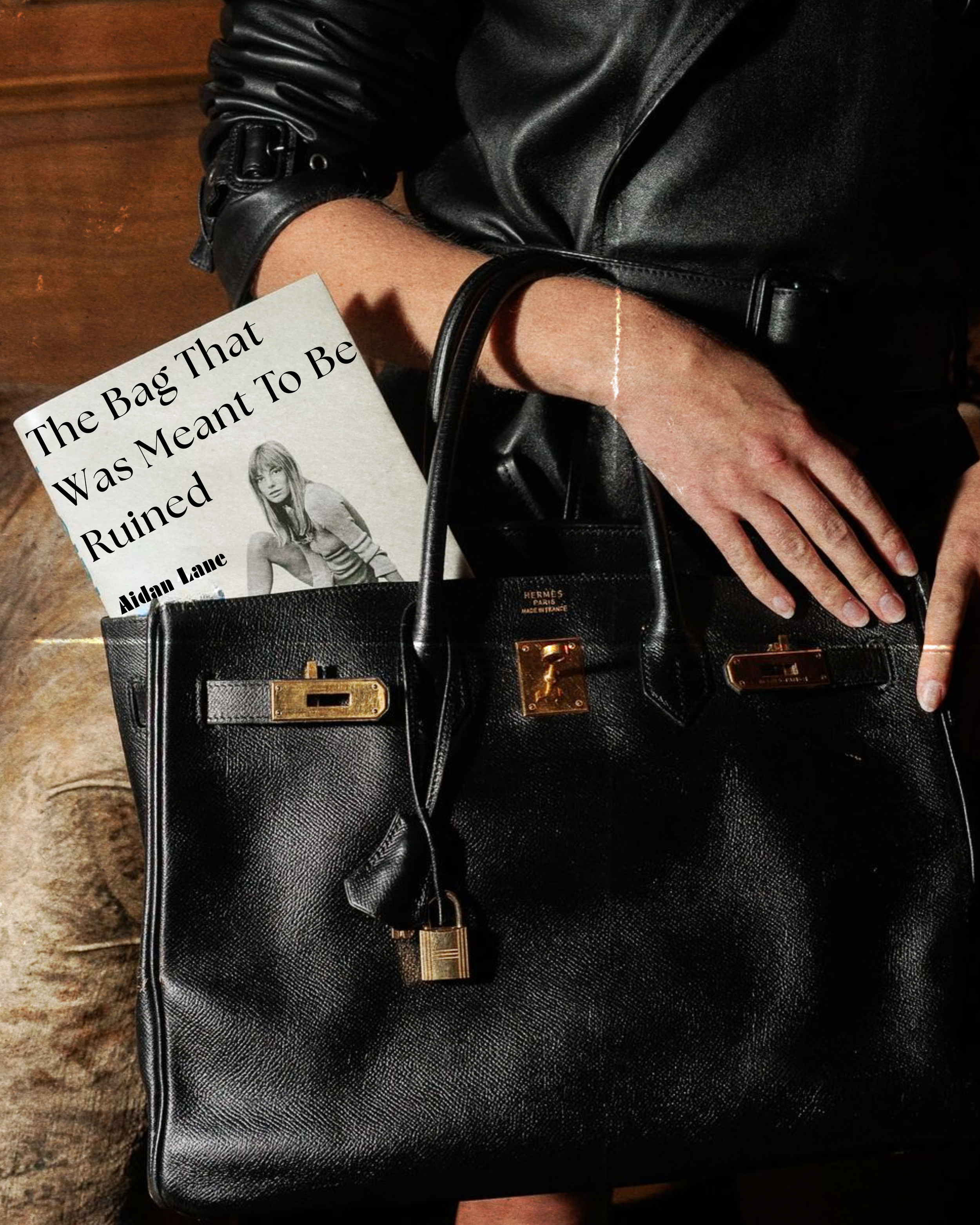
The traditional fashion calendar has been stretched into a torturous 52-season cycle, where retailers like Shein and Edikted drop new collections almost weekly, making consumers feel as though they constantly need the next best thing to stay up to date. This creates trend fatigue, and also, wallet fatigue - it's exhausting to keep up with what influencers and celebrities have on. As a result, a sort of “archival” movement is among us. Consumers are starting to reject mass-produced clothes and turn more towards the timeless quality of vintage clothes. There is a real, tangible truth to old leather. Before 2008, the classic Chanel flap purse had a weight and density that many bags today lack, even at higher price points. The 24k gold hardware and lambskin used in bags from the 80s and 90s carried a level of integrity that lasted for decades. Because of this, on platforms like The RealReal, these vintage bags often sell for double their original price. Consumers are starting to do the math, realizing that investing in a vintage bag from the 90s will outlive an overpriced, “trendy” bag from Zara.
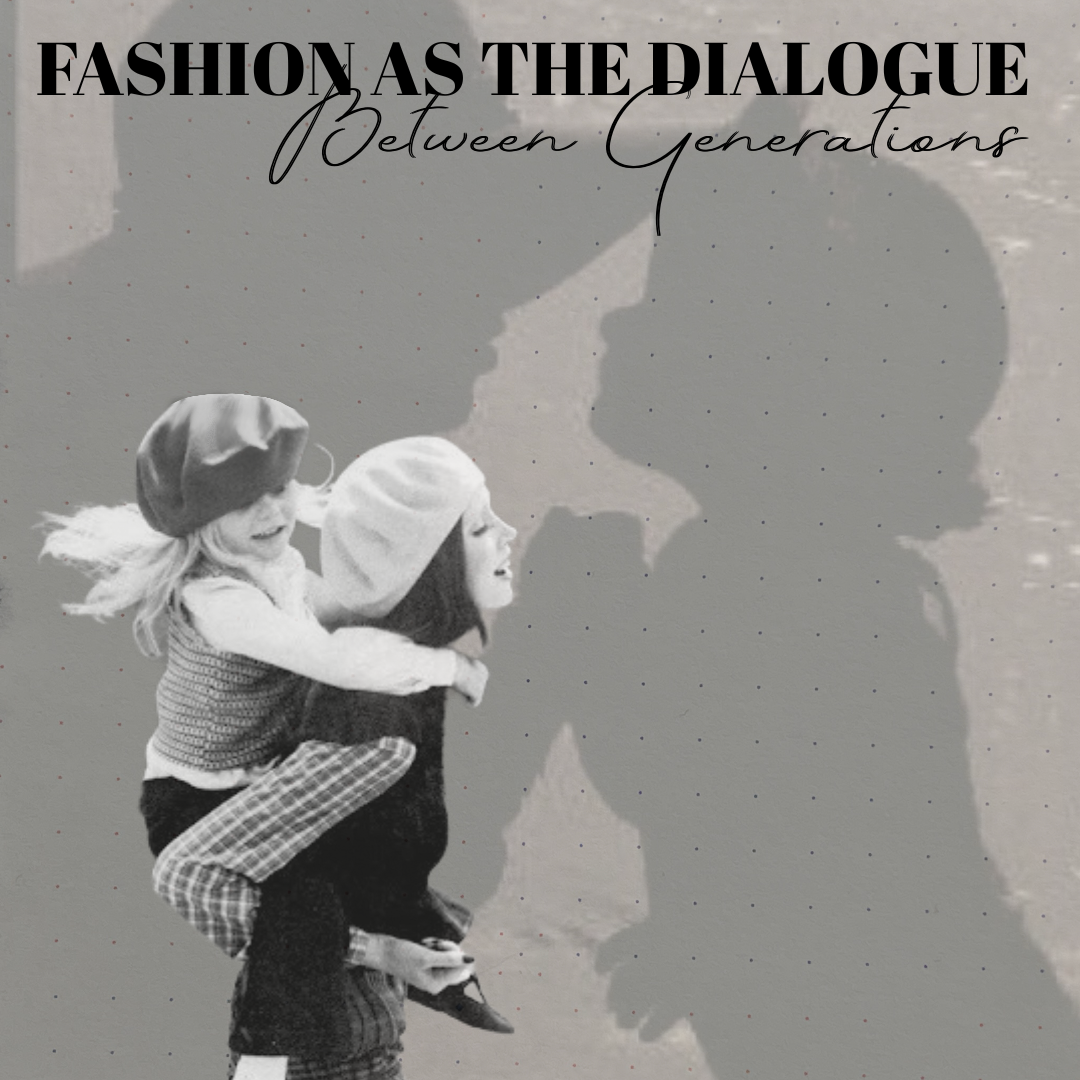
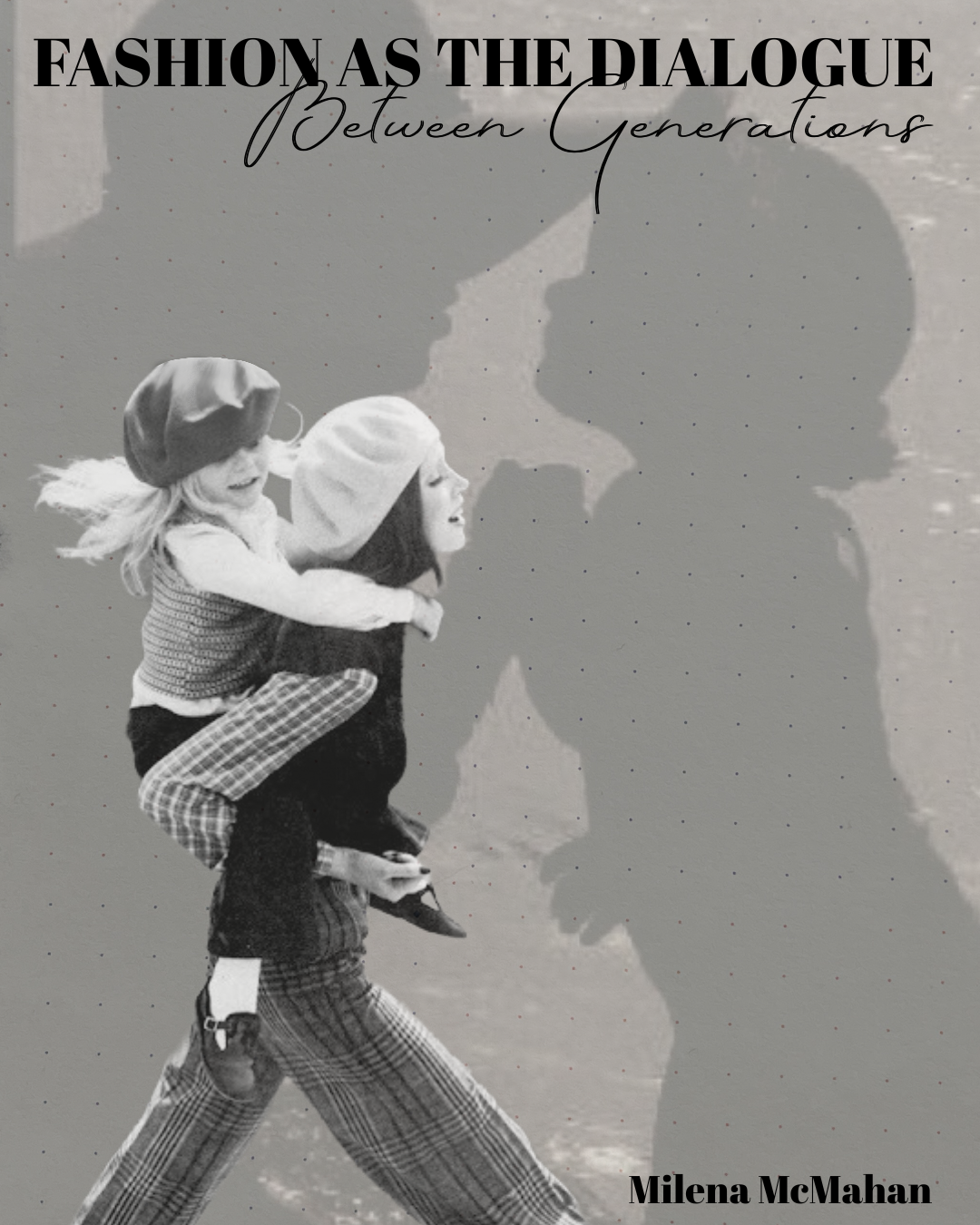
The fashion industry operates on a 20-year cycle, where previously dismissed styles transition from dated to must-have. Much of this reflects our generation romanticizing the world our parents and grandparents lived in, reaching for the nostalgia of an earlier aesthetic. From the return of low-rise jeans to bolero shrugs, the industry proves that every "new" trend has already been done. Suddenly, we find ourselves rummaging through our mothers' closets for the pieces we once actively avoided. This isn't a lack of originality, but rather a growing acknowledgment that these pieces were made with a structural integrity that modern fast fashion simply cannot replicate. In turning to vintage, we search for the sense of character that is missing from today’s 52-season cycle. Our parents’ old clothes have become the blueprints for everything we deem cool right now. When we look at today’s trends, most are revivals and echoes of styles from decades ago, even if we don’t realize it.
Now, luxury brands are no longer just looking forward. As consumers start appreciating their old collections, they jump on the bandwagon and raid their own archives to launch a new collection. This shift is strategic – brands are reclaiming control over their past while leveraging a billion-dollar market dominated by apps like Depop and Poshmark. By launching their own resale platforms, brands like Gucci and Valentino are ensuring that the profit from a 20-year-old bag stays within the brand, rather than going to a third-party seller.By doing this, designers are investing in their long-term brand equity. When a brand like Coach launches "(Re)Loved”, it’s signaling to consumers that the same craftsmanship that built its name in the 70s still exists today. What they’re really selling is the idea that a purchase is no longer a one-time transaction, but an investment in an infinite cycle of fashion. The real power in modern retail is not in inventing the next trend, but in successfully monetizing the ghost of a previous one.
As I finished looping my grandmother’s belt and saw it in the reflection, the worn details spoke to me even more. In an industry currently stuck within the churn of 52 micro-seasons, wearing something that has already survived four decades feels like closing a generational loop that fast fashion simply can't clone. We are collectively realizing that the most innovative thing a brand can do today is look backward. Perhaps we’ve understood that the future of fashion isn't waiting on a cargo ship; it’s already hanging in our mothers’ and grandmothers' closets, waiting for the loop to close. Ultimately, if the trend cycle is a perfect circle, then newness is a myth we’ve finally outgrown.
“The most current thing you can wear is often the oldest thing in the room.”
More from this edition
Featured